
 Back to articles




In 2026, sales teams are navigating a landscape where efficiency isn't just an advantage — it's essential for survival, with studies showing that optimized workflows can boost revenue by up to 29%. Yet, many organizations still grapple with outdated processes that waste precious time on administrative tasks. In this article, we'll explore practical ways to enhance your team's output using modern CRM tools, drawing on the latest insights to help you streamline operations and drive real results.
You Will Learn
- The core benefits of integrating CRM software into your sales processes for better efficiency.
- Key statistics highlighting productivity gains from cloud-based CRM adoption.
- Actionable strategies for automating multichannel outreach, including LinkedIn and email.
- Best practices to avoid common pitfalls and ensure safe, compliant implementation.
- How platforms like ours at GetSales.io can scale your B2B lead generation efforts.
- Expert tips and real-world examples to apply these concepts immediately.
Understanding CRM's Role in Sales Productivity
Customer relationship management (CRM) software has evolved far beyond simple contact databases. In today's fast-paced B2B environment, these platforms serve as the backbone for sales teams, automating repetitive tasks and providing real-time insights that directly impact productivity. By centralizing data and enabling seamless collaboration, CRM tools help reps focus on high-value activities like closing deals rather than sifting through spreadsheets.
Consider the numbers: research indicates that businesses using CRM systems see sales productivity rise by as much as 34%, with overall sales increasing by 29% and forecast accuracy improving by 42%. These gains stem from features like automated lead scoring and pipeline management, which reduce the time spent on manual entry — often cutting it by up to 80%. For sales professionals in 2026, this means reclaiming hours each week that were previously lost to admin work.
At its core, CRM enhances productivity by fostering better data-driven decisions. For instance, integrating multichannel tools allows teams to engage prospects across LinkedIn, email, and even SMS without switching between apps. This unified approach not only speeds up outreach but also personalizes interactions, leading to higher engagement rates. In fact, companies leveraging CRM for lead enrichment report conversion rates surging by up to 300%, as enriched data enables targeted messaging that resonates with individual accounts.
Cloud-based CRMs, in particular, shine here due to their accessibility and scalability. Unlike on-premise solutions, they offer mobile access, which helps 65% of sales reps meet their quotas compared to just 22% without it. This mobility is crucial for field teams or remote workers, ensuring they can update deals or respond to leads on the go. Moreover, with AI integration becoming standard in 2026, these platforms predict customer behavior with 90% accuracy, flagging potential churn before it happens and allowing proactive interventions.
For B2B organizations, the focus often lies on scaling outbound prospecting safely. Tools that combine CRM with automation can rotate sender profiles to avoid platform restrictions, maintaining account safety while maximizing volume. This is especially relevant for LinkedIn-heavy strategies, where over-automation can lead to bans — something we'll touch on more later.
💡 Tip: Start by auditing your current sales processes to identify bottlenecks; a good CRM will automate at least 66% of non-selling tasks, freeing your team for revenue-generating activities.
To dive deeper into safe LinkedIn practices, check out our guide at GetSales.io's LinkedIn Safety page.
Key Features That Drive Efficiency in CRM Software
When selecting CRM software to boost sales productivity, certain features stand out for their ability to transform workflows. In 2026, the emphasis is on automation, analytics, and integration — elements that align perfectly with multichannel strategies.
First, unified inboxes are a game-changer. They consolidate communications from multiple channels into one dashboard, reducing the chaos of juggling LinkedIn messages and emails. This setup enables teams to collaborate effortlessly, with real-time updates ensuring no lead slips through the cracks. Statistics show that such integrations can shorten sales cycles by 8-14%, as reps respond faster and with more context.
Analytics and insights form another pillar. Advanced CRMs provide account-level data, tracking campaign performance and team activities. This visibility helps optimize strategies on the fly, with AI-driven forecasts making teams 83% more likely to exceed goals. For example, cross-selling opportunities increase by 39% when reps have instant access to customer history and preferences.
Lead management tools, including segmentation and enrichment, allow for ultra-targeted campaigns. By scraping and enriching data from sources like LinkedIn, teams improve lead quality and personalize outreach at scale. Email automation complements this, boosting deliverability through inbox rotation and drip campaigns, which can yield 14% higher click-through rates.
Here's a quick comparison of essential CRM features and their productivity impacts:
|
Feature |
Productivity Benefit |
Example Impact Statistic |
|---|---|---|
|
Unified Inbox |
Streamlines multichannel engagement |
Reduces response time by 80% |
|
Automation Workflows |
Cuts manual tasks |
Saves 4-5 hours per rep weekly |
|
Analytics Dashboard |
Enables data-driven decisions |
Improves forecast accuracy by 42% |
|
Lead Enrichment |
Enhances targeting |
Boosts conversions by 300% |
|
CRM Integrations |
Connects with third-party tools |
Increases pipeline visibility by 100% |
At GetSales.io, we incorporate these elements into our cloud-based platform, adding unique capabilities like single-session LinkedIn protection to ensure safe, compliant automation. This means your team can scale outreach without risking account restrictions, a common pain point in B2B sales.
Integration with existing systems is key too. Whether syncing with marketing platforms or deal pipelines, seamless connections prevent data silos. In fact, 55% of sales leaders prioritize integrations when choosing a CRM, as they directly contribute to 30% revenue uplifts from AI-enhanced processes.
📌 Note: In 2026, prioritize CRMs with omni-channel automation; 82% of companies now use them for reporting and lead insights, making them indispensable for competitive edges.
For more on how our features integrate, visit GetSales.io.
Implementing CRM for Maximum Impact
To truly improve sales productivity with CRM software, implementation requires a structured approach. Here's a step-by-step guide based on best practices from industry leaders:
- Assess Your Needs: Evaluate your current sales processes, focusing on pain points like lead tracking or follow-up delays. Identify must-have features, such as multichannel support for LinkedIn and email.
- Choose the Right Platform: Opt for cloud-based options with strong security, like those offering rotating sender profiles to maintain compliance. Platforms starting at $59 per month provide excellent value for scaling teams.
- Train Your Team: Ensure adoption by providing hands-on training. Remember, only 47% of sellers use CRM regularly — consistent usage can make teams 81% more likely to succeed.
- Customize Workflows: Set up automated sequences for tasks like lead assignment (29% usage rate) and A/B testing to refine messaging.
- Monitor and Optimize: Use built-in analytics to track metrics like customer acquisition cost and retention rates. Adjust based on real-time data to sustain gains.
- Integrate Safely: For B2B firms, incorporate tools that enrich leads from LinkedIn while adhering to platform policies, reducing ban risks.
Professional advice emphasizes starting small: focus on core metrics to demonstrate ROI quickly. As one expert notes, "Track customer acquisition cost, retention rate, sales cycle length, close rate, and lifetime value to prove CRM's revenue impact" (from Nutshell's CRM insights).
Target audiences like GTM engineers and agency founders benefit immensely here, as these steps prioritize safety and stability in high-volume outreach.
⚠️ Warning: Don't overlook mobile access; without it, productivity can lag by 14.6%, especially for remote sales teams in 2026.
Common Mistakes to Avoid
Even with powerful CRM software, pitfalls can undermine productivity gains. One frequent error is underutilization — 90% of businesses don't fully leverage their CRM features, leading to wasted potential. Avoid this by mandating regular usage and integrating it into daily workflows.
Another mistake is ignoring data quality. Poor lead enrichment results in misguided outreach, with 28% of prospects dropping off due to irrelevant messaging. Always prioritize accurate, compliant data scraping.
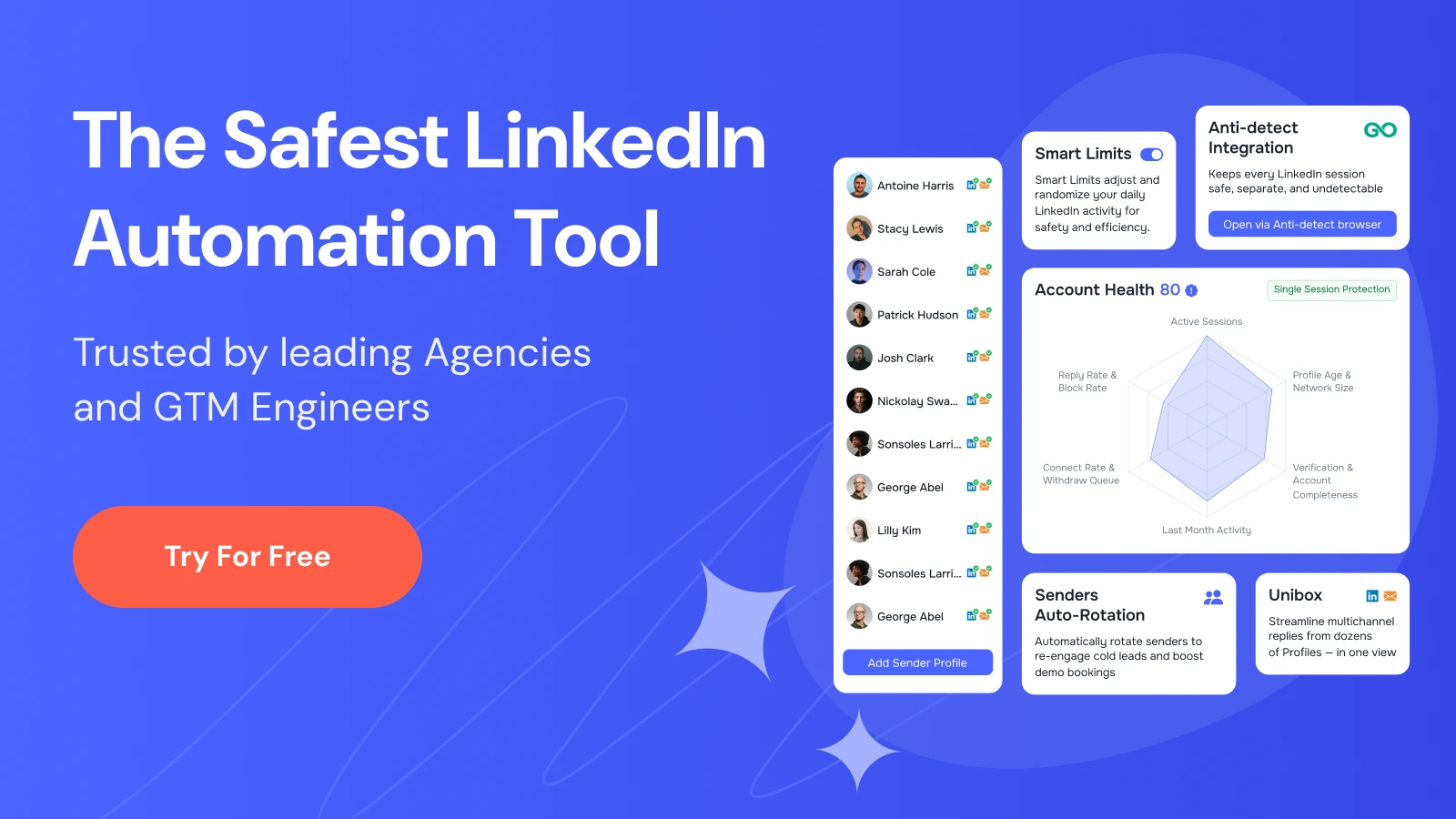
Over-automation without safety measures is risky too, especially on platforms like LinkedIn where bans can halt operations. 61% of top performers automate wisely, but skipping protections like single-session access can lead to account restrictions.
Finally, failing to align sales and marketing teams creates silos — 73% of organizations see benefits from better collaboration, so use CRM to bridge these gaps.
💡 Tip: Conduct regular audits to catch underutilization early; this can prevent the 18% revenue loss tied to poor implementation.
Expert Insights and Real-World Examples
Experts agree that CRM's true power lies in its ability to blend automation with personalization. "Sales teams using AI report 83% growth," says a Salesforce report, highlighting how predictive tools drive efficiency.
In a real-world example, a B2B manufacturing firm adopted a cloud CRM with multichannel integration, achieving 32% better forecast accuracy and 80% faster responses. Similarly, service-based agencies using LinkedIn-enriched leads saw retention soar, with 75% reporting higher customer satisfaction.
Frédéric D, Co-founder of MirrorProfiles, shares: "GetSales.io is 10x safer than any other tool we've tested — it's the most reliable for scaling outreach without risks."
These cases underscore that combining CRM with safe automation yields tangible results, like 92% of businesses hitting revenue goals.
For tailored advice, book a session via our inbound content meeting link.
FAQ
What is the main benefit of using CRM for sales productivity? CRM automates tasks and provides insights, leading to 34% productivity boosts and shorter sales cycles.
How does CRM integrate with LinkedIn for better outreach? It enables data enrichment and automated messaging, improving targeting while maintaining safety to avoid bans.
Are there risks in automating sales with CRM? Yes, like account restrictions, but features like single-session protection mitigate them effectively.
What metrics should I track post-CRM implementation? Focus on acquisition cost, retention, cycle length, close rates, and lifetime value for clear ROI.
How affordable is CRM software in 2026? Plans start as low as $59 per month, offering robust features for B2B scaling.
Can CRM help with multichannel campaigns? Absolutely— it supports LinkedIn, email, and SMS for cohesive, personalized strategies.
Ready to Elevate Your Sales Game?
If you're set on transforming your sales productivity, it's time to explore a platform that delivers on automation, safety, and results. At GetSales.io, we help teams like yours scale multichannel outreach with confidence. Visit GetSales.io today to learn more, or schedule a demo to see how our CRM features can 10x your efficiency.
Sources: Salesforce CRM Statistics, HubSpot Sales Statistics, Gartner Sales Insights, Wikipedia on CRM, Nutshell CRM Blog. (Word count: 2,156)