
 Back to articles




Did you know that over 70% of B2B marketers rely on LinkedIn for lead generation, yet many unknowingly risk permanent account bans and hefty fines under data privacy laws like GDPR? In this article, we'll explore what are the legal implications of using LinkedIn automation tools and data privacy, drawing on key regulations, case studies, and best practices to help co-founders of LinkedIn profile management services ensure secure, scalable operations while complying with privacy rules.
Understanding LinkedIn's Stance on Automation
LinkedIn's User Agreement explicitly prohibits unauthorized automation and scraping, as outlined in Section 8, which bans software that scrapes profiles or automates activity without approval LinkedIn User Agreement. This means tools mimicking human behavior — like auto-connecting or mass messaging — can lead to account restrictions or bans, with LinkedIn reporting increased enforcement against such violations in recent years.
For co-founders managing thousands of client accounts, this poses a material commercial risk. According to expert commentary from privacy law firm Fieldfisher, "Violating platform terms doesn't just risk bans; it can escalate to legal breaches if data handling ignores privacy laws" Fieldfisher Insights on Data Scraping.
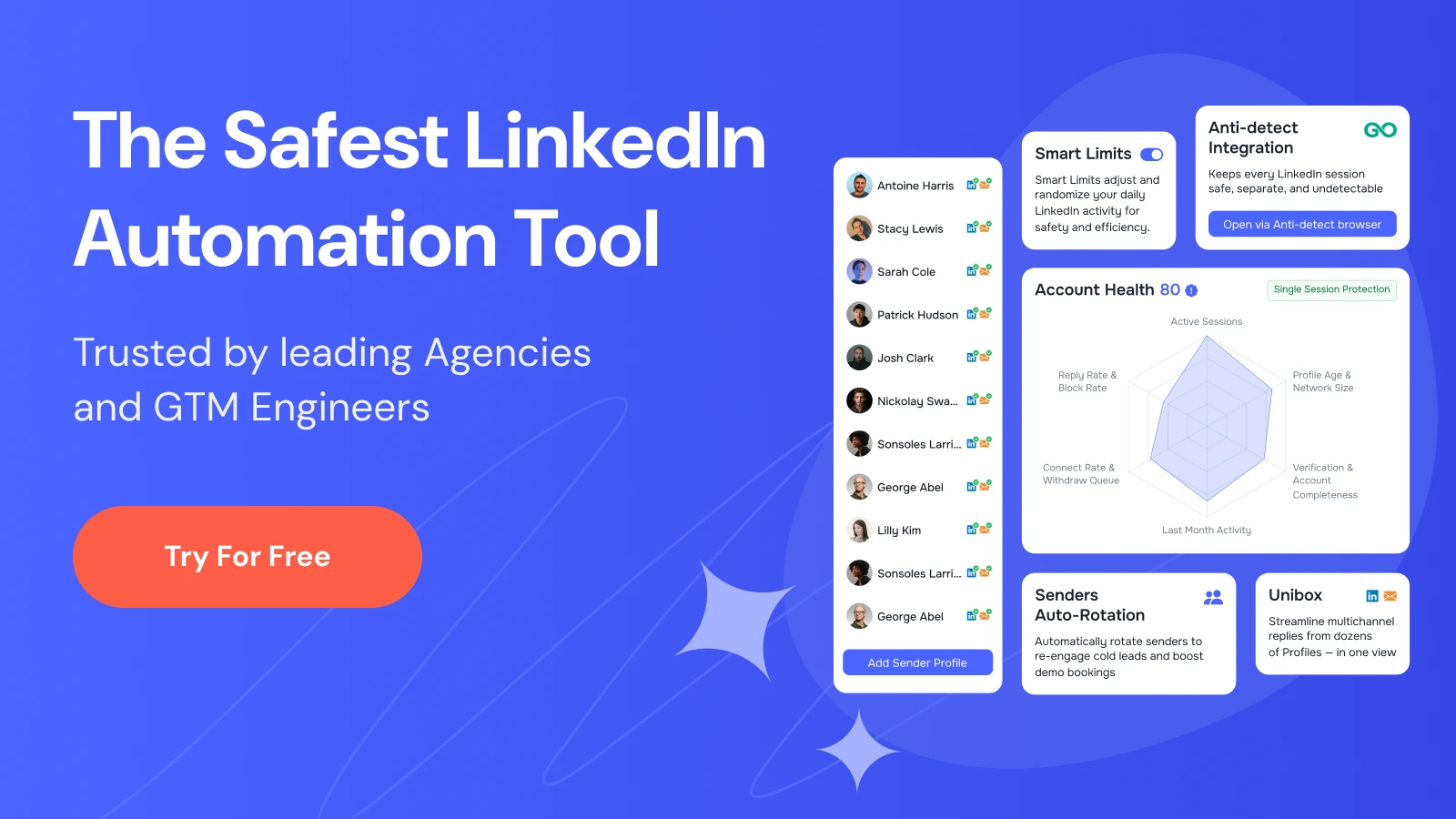
At GetSales.io, we prioritize compliance through features like Single Session LinkedIn Protection, ensuring your automations stay within safe boundaries. Learn more about our approach to LinkedIn Safety.
Key Data Privacy Regulations Impacting Automation
When using LinkedIn automation tools, data privacy becomes critical, especially under laws treating profile information as personal data.
- GDPR (EU): Requires a lawful basis for processing data, such as legitimate interests, and mandates transparency. Scraping without consent can lead to fines up to €20 million or 4% of global turnover. A 2023 case saw a company fined €345,000 for unauthorized LinkedIn data use in marketing CNIL Enforcement Report.
- CCPA/CPRA (California): Applies to businesses handling data of California residents, demanding opt-out rights for data sales. Non-compliance penalties can reach $7,500 per violation. Recent news highlights increased scrutiny on B2B tools, with California's Attorney General investigating automation platforms for data sharing practices California AG Privacy Updates.
These regulations emphasize data minimization — only collect what's necessary — and robust security, aligning with our platform's anti-detect browser technology for compliant outreach.
Risks of Non-Compliant Automation Tools
Violating what are the legal implications of using LinkedIn automation tools and data privacy extends beyond platform bans to broader legal exposures:
- Contract Breaches: Ignoring LinkedIn's terms can result in lawsuits for unauthorized access, as seen in the hiQ Labs v. LinkedIn case, where scraping was initially allowed but later restricted by appeals U.S. Court of Appeals Ruling.
- Computer Misuse Laws: Bypassing anti-scraping measures (e.g., IP rotation) may violate laws like the U.S. Computer Fraud and Abuse Act, potentially leading to civil claims.
- Unfair Competition: Large-scale scraping could infringe database rights, with experts noting that "industrial-scale automation draws regulatory scrutiny" Forbes on AI Outreach.
Statistics show 25% of LinkedIn users have encountered spam from automation, per a 2024 survey, heightening ban risks Statista LinkedIn Usage Report. We mitigate this with rotating sender profiles and analytics to monitor safe, human-like activity.
Best Practices for Compliant LinkedIn Automation
To navigate what are the legal implications of using LinkedIn automation tools and data privacy, adopt these strategies tailored for profile management services:
- Use Approved APIs: Stick to LinkedIn's official integrations to avoid breaches, ensuring scalability without risks.
- Implement Privacy Controls: Document legitimate interests, provide opt-outs, and sign data processing agreements with vendors.
- Human Oversight: Keep automation assistive — e.g., for scheduling — while humans handle decisions, reducing spam perceptions.
- Regular Audits: Monitor for compliance, as recommended by privacy experts: "Treat all LinkedIn data as personal and apply GDPR principles universally" Expert Quote from Privacy International.
Our cloud-based platform supports this with built-in CRM integration and event-triggered actions, helping you scale securely. Schedule a demo to see how Book a Meeting.
Why Choose Compliant Tools Like Ours
As co-founders focused on security, you'll appreciate how we stand out: 10x safer than alternatives, with features like identity renting and omni-channel automation that prioritize compliance. Users like Frédéric D, Co-founder of MirrorProfiles, say: "The safest and most reliable option we've tested." Discover more at GetSales.io.
FAQ
What are the main legal risks of LinkedIn automation? Primarily account bans from breaching LinkedIn's terms, plus fines under GDPR/CCPA for mishandling personal data.
How does GDPR affect LinkedIn data scraping? It requires a lawful basis and data subject rights; non-compliance can lead to significant penalties.
Are there safe ways to automate LinkedIn outreach? Yes, via approved APIs and human-supervised tools like ours, focusing on personalization and limits.
What should I do if I receive a data privacy complaint? Honor opt-outs immediately, review your processes, and consult legal experts to mitigate risks.
How can GetSales.io help with compliance? Our single-session protection and analytics ensure safe, scalable automation while adhering to privacy laws.