
 Back to articles




Did you know that personalized automated LinkedIn messages can boost response rates by 40-67% compared to generic ones, transforming your outreach from sporadic to scalable? In this article, we'll guide you through how to automate LinkedIn messages safely and effectively, covering best practices, tools, risks, and strategies to scale B2B lead generation while staying compliant. Drawing on recent industry insights, we'll help sales teams, agencies, and enterprise leaders maximize conversions without risking account bans.
Understanding LinkedIn Message Automation
LinkedIn has evolved from a networking site into a powerhouse for B2B sales, with average reply rates to messages reaching ~85% — about 3x higher than typical cold emails. Automating messages involves using cloud-based platforms to send connection requests, follow-ups, and personalized sequences at scale, all while mimicking human behavior to avoid detection.
At its core, how to automate LinkedIn messages means leveraging features like:
- Multi-step sequences: Start with a connection request, follow with a value-add message, and end with a soft call-to-action.
- AI-driven personalization: Tools analyze profiles for job titles, industries, and recent activity to craft tailored content.
- Triggers and workflows: Automate based on behaviors like profile views or email opens.
This approach saves sales professionals 10+ hours per week, allowing focus on high-value conversations. For deeper insights into LinkedIn's evolution as a sales channel, check out HubSpot's guide on LinkedIn lead generation.
Key Benefits of Automating LinkedIn Messages
Automating isn't just about volume — it's about precision and efficiency. Businesses using these strategies report lower customer acquisition costs and faster lead qualification.
Top benefits include:
- Higher engagement: AI-assisted messages see 35% higher response rates and 40% boosts in connection acceptance.
- Time savings: Reclaim entire days monthly by automating repetitive tasks.
- Scalable personalization: Target at the account level for deeper prospecting.
Our platform empowers this with Omni-Channel Automation, integrating LinkedIn with email and SMS for seamless sequences. As one expert notes, "Automation is no longer optional — it's a necessity for scaling outreach while maintaining a personal touch" (source: Salesforce's sales automation insights).
Step-by-Step Guide: How to Automate LinkedIn Messages
Ready to get started? Here's a practical framework based on proven best practices to automate LinkedIn messages without crossing into spam territory.
- Define Your Ideal Customer Profile (ICP): Segment leads by role, industry, and triggers like recent job changes. Focus on tightly defined lists for higher reply rates — teams sending <50 requests weekly often outperform high-volume blasters.
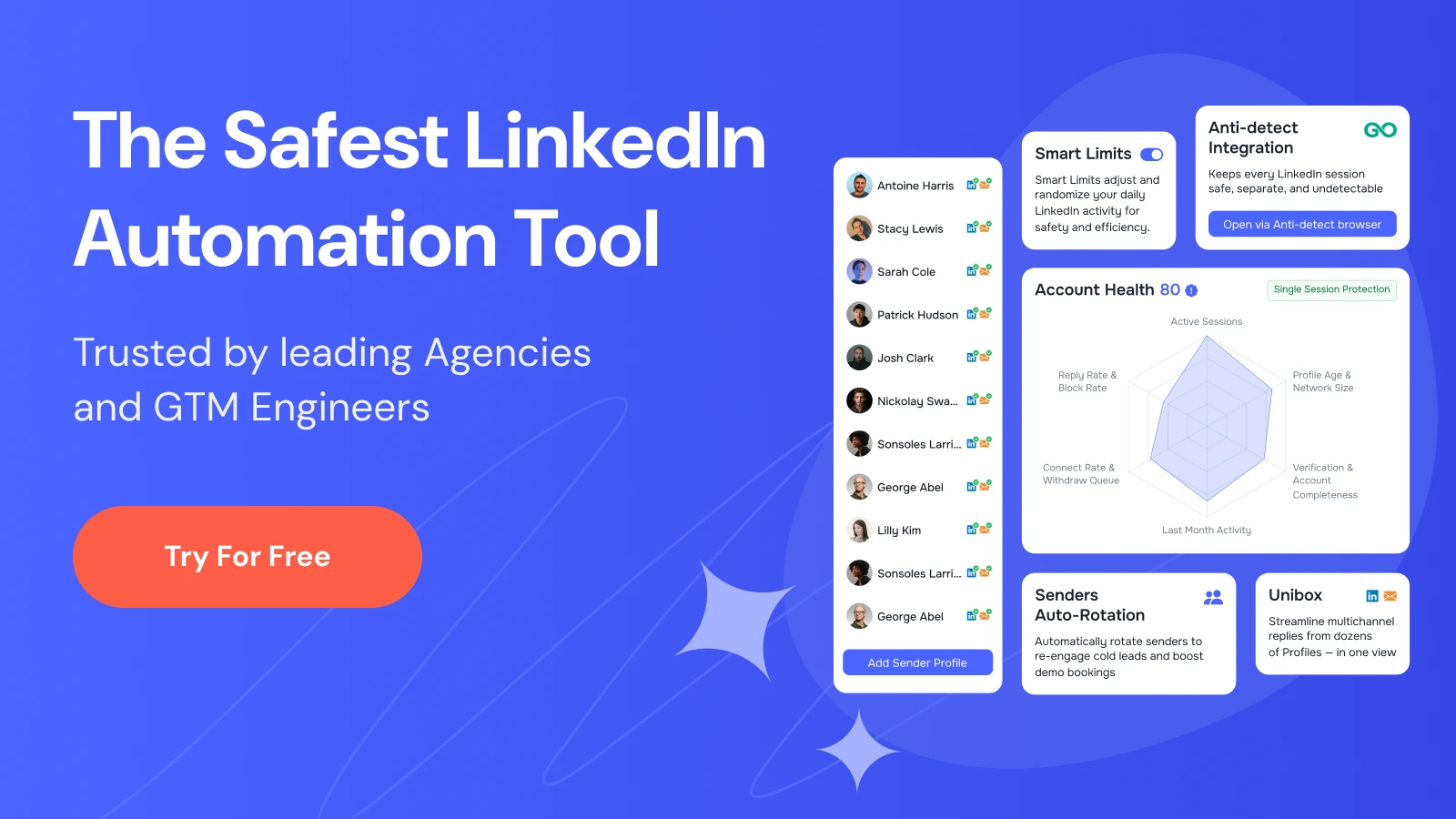
- Choose a Safe Automation Tool: Opt for cloud-based solutions with Single Session LinkedIn Protection to reduce ban risks. We offer this alongside Rotating Sender Profiles for maximum safety and volume.
- Craft Personalized Sequences:
- Day 0: Send a connection request with a relevant note (e.g., referencing a shared interest).
- Day 2-4: Follow up with value (e.g., "Based on your recent post on fintech challenges, here's an insight…").
- Day 7+: Include a soft CTA like booking a call.
Keep messages short — 2-5 sentences — and conversational. Use AI for dynamic personalization to achieve 72% connection acceptance in targeted campaigns.
- Set Safe Limits and Monitor: Start low with 5-10 requests/day, ramping to 20-50. Track metrics like acceptance rates and pause if LinkedIn flags activity.
- Integrate with CRM: Sync data for real-time analytics and handoff to manual engagement upon replies.
For more on crafting effective sequences, explore LinkedIn's own sales tips.
Navigating Risks and Compliance
While powerful, automating LinkedIn messages carries risks. LinkedIn's policies prohibit bots and bulk scraping, with violations leading to temporary restrictions or permanent bans. Recent news highlights increased enforcement, as seen in TechCrunch's report on platform crackdowns.
Key risks:
- Account bans: Excessive activity (e.g., >100 messages/day) triggers flags.
- Legal issues: Comply with GDPR for data processing — conduct Legitimate Interest Assessments (source: GDPR.eu guidelines).
- Reputation damage: Generic messages yield <20% replies, harming your brand.
To stay safe, we prioritize 10x safer outreach with features like anti-detect technology. Learn more at our LinkedIn safety page. As Frédéric D, Co-founder of MirrorProfiles, says: "It's the safest and most reliable option we've tested."
Advanced Strategies for Scaling Outreach
For GTM engineers, agency founders, and sales VPs, take it further with Account-Based Outreach and A/B Testing. Integrate with email for multi-channel plays, boosting engagement — prospects who open emails but don't respond convert better via LinkedIn follow-ups.
Trends show a shift to AI predictive scoring, prioritizing high-intent leads. One case study: A B2B team achieved 49% reply rates and 42 booked demos from automated sequences (source: G2's automation benchmarks).
Stop reading and experience it — watch our demo or book a call to see how we 10x your LinkedIn outreach.
FAQ
What are the best limits for automated LinkedIn messages? Stick to 20-50 connection requests/day and 50-100 messages, spaced with delays to mimic human behavior and avoid restrictions.
Is automating LinkedIn messages against policies? LinkedIn forbids bots, but compliant tools like ours use safe, human-like automation. Always respect their User Agreement.
How does personalization improve automated messages? It boosts rates by 40-67% by tailoring content to profiles, leading to more meaningful engagements.
Can I integrate LinkedIn automation with email? Yes — our Unified Inbox manages both, enabling rotating senders for better deliverability and higher conversions.
What if my account gets restricted? Pause immediately, verify identity, and review activity. Our Single Session Protection minimizes this risk for teams.