
 Back to articles




In 2026, small businesses are navigating a crowded CRM landscape where user-friendliness can make or break adoption, with studies showing that 70% of CRM implementations fail due to poor usability and steep learning curves. As teams juggle limited resources and tight timelines, choosing a system that's intuitive from day one isn't just convenient — it's absolutely essential for driving sales growth without overwhelming your operations. In this article, you'll discover a detailed comparison of popular CRMs, focusing on their ease of use for small businesses, along with practical tips to select and implement the right one for your needs.
You Will Learn
- Why ease of use is a critical, non-negotiable factor when evaluating CRMs for small business operations and how it directly impacts your bottom line.
- Key comparisons of top CRMs like HubSpot, Pipedrive, Zoho, and others, meticulously analyzed based on setup time, interface simplicity, and learning curves.
- Actionable best practices for implementing a user-friendly CRM to boost team adoption, maximize productivity, and ensure long-term success.
- Common pitfalls to avoid when selecting and rolling out CRM software, saving you time, money, and frustration.
- Expert insights and real-world examples from sales professionals on what makes a CRM truly accessible and effective for growing teams.
- How cutting-edge tools like GetSales.io integrate powerful CRM features with multichannel outreach for seamless small business scaling and unparalleled efficiency.
Understanding CRM Ease of Use for Small Businesses
When small businesses compare CRM ease of use, the focus often shifts to how quickly a team can get up and running without needing extensive training or technical expertise. In 2026, with remote work and hybrid teams more prevalent than ever, an intuitive CRM isn't a luxury — it's a necessity that directly impacts your team's ability to perform. According to a recent report from Gartner, businesses that prioritize user-friendly tools see up to 30% higher adoption rates, directly impacting productivity and revenue by ensuring your sales reps actually use the system. You can explore more on CRM adoption trends here.
Ease of use encompasses several critical elements:
- A clean, intuitive interface: This minimizes clicks for common tasks, reduces cognitive load, and makes navigation feel natural, even for non-technical users. Think drag-and-drop functionality and clearly labeled sections.
- Quick setup processes: Small businesses rarely have dedicated IT departments. A user-friendly CRM should allow for self-service setup, importing contacts, and configuring basic pipelines within hours, not days or weeks.
- Mobile accessibility: For on-the-go sales reps, a robust and intuitive mobile app is non-negotiable. It ensures data can be updated in real-time from anywhere, preventing data silos and missed opportunities.
- Minimal learning curve: The best CRMs for small businesses offer built-in tutorials, clear documentation, and a logical flow that allows new users to become proficient quickly, often within a day or two.
For small businesses, this means actively avoiding overly complex systems designed for enterprises, which can lead to frustration, low adoption, and ultimately, abandonment. Instead, the best options strike a perfect balance between simplicity and essential features like robust contact management, visual pipeline tracking, and basic automation that streamlines repetitive tasks.
Take HubSpot CRM, for instance — it's frequently praised for its straightforward dashboard that feels familiar even to non-tech-savvy users. A 2026 PCMag review highlighted its "plug-and-play" nature, allowing small teams to import contacts and start tracking deals within minutes. You can read more about their top CRM picks here. On the other hand, systems like Salesforce, while incredibly powerful and scalable, often demand significant customization upfront, which can extend onboarding to weeks rather than days, a major hurdle for resource-constrained small teams.
Statistics from a 2026 Forrester study underscore this point: small businesses using easy-to-navigate CRMs report 25% faster sales cycles, as reps spend less time fumbling through menus and more time engaging leads. This is particularly relevant for B2B organizations, where multichannel outreach via email and LinkedIn is key to nurturing prospects. At GetSales.io, we understand this dynamic — our platform integrates CRM functionalities with automated outreach, ensuring that small businesses can manage leads effortlessly without switching between tools. For more on maintaining safety in LinkedIn automation, check out our comprehensive guide here.
💡 Tip: When assessing CRM ease of use, don't just rely on demos. Start with a free trial and actively time how long it takes your team to complete a basic task like adding a lead, updating a deal stage, or sending an email. This real-world test beats any vendor-controlled presentation.
Background information reveals that the CRM market has evolved significantly since the early 2000s, with cloud-based solutions democratizing access for small players. Wikipedia's entry on Customer Relationship Management notes that modern CRMs emphasize user experience to combat high failure rates, a trend accelerated by the pandemic's push toward digital tools and the need for remote accessibility. You can delve into the history and evolution of CRM here. This shift has empowered small businesses to leverage sophisticated tools previously only available to large enterprises, but only if those tools are genuinely easy to use.
Top CRMs Compared by User-Friendliness
Diving deeper into comparisons, let's evaluate popular CRMs on their ease of use for small businesses in 2026. We'll look at setup speed, interface design, learning curve, and suitability for teams with limited resources, drawing from recent reviews and user data.
First, HubSpot CRM consistently tops many lists for its accessibility and generous free plan. With a free tier supporting unlimited users (though limited contacts), it's ideal for startups and very small teams looking to get started without upfront investment. The interface is remarkably clean and visual, with intuitive drag-and-drop pipelines that make deal tracking feel natural and straightforward. A 2026 Capterra survey found 85% of small business users rating it "very easy" to learn, thanks to its built-in tutorials, extensive knowledge base, and minimalistic design. However, as your business scales and you begin to add paid features like advanced marketing automation or sales hubs, the platform can introduce layers of complexity that require more dedicated learning.
Pipedrive shines in visual simplicity, specifically designed with a focus on sales pipelines that resemble Kanban boards. Setup is remarkably swift — often under an hour — allowing teams to be productive almost immediately. Its mobile app is highly rated, ensuring reps can update deals and manage contacts from anywhere, a crucial feature for field sales or hybrid teams. Insider knowledge from sales forums like Reddit's r/sales indicates it's a perennial favorite for small teams due to its exceptionally low learning curve; users frequently report being productive within a day. Pricing starts at a competitive $14.90 per user monthly, making it cost-effective, but it intentionally lacks robust marketing automation tools, focusing purely on sales pipeline management.
Zoho CRM offers a compelling balance of power and affordability, with plans starting at $20 per user. However, it typically comes with a steeper initial learning curve compared to HubSpot or Pipedrive. Its customization options are vast, which can initially overwhelm beginners, yet once configured, its powerful automation capabilities can save significant time. For very small teams or solopreneurs, Zoho's lightweight version, Bigin, is a standout — PCMag named it the 2026 Editors' Choice for small businesses at just $9 per user, praising its flexible dashboards and omnichannel support. A recent PCMag review echoes this, noting Bigin's zero-setup appeal for solopreneurs and micro-businesses.
Salesforce Starter Suite, priced from $25 per user, caters to fast-growing small businesses but generally ranks lower in pure ease of use due to its enterprise roots. The learning curve is notably higher, with users often needing online courses or dedicated training to unlock its full potential. However, it excels in scalability and offers an unparalleled ecosystem of integrations, making it a powerful choice for businesses with complex needs and a clear growth trajectory.
Freshsales, priced from $11, provides a modern twist with AI-driven insights and multichannel tools, earning high marks for its user-friendly lead scoring and intuitive interface in a 2026 G2 report. It's particularly strong for teams looking for smart automation and a unified view of customer interactions across email, chat, and phone.
To visualize these differences, here's a detailed comparison table:
|
CRM |
Setup Time |
Learning Curve |
Mobile App Rating |
Best for Small Businesses |
Key Ease-of-Use Feature |
|---|---|---|---|---|---|
|
HubSpot |
Under 30 minutes |
Low |
4.7/5 |
Startups & teams needing a free, intuitive entry point |
Clean, visual drag-and-drop pipelines & extensive free resources |
|
Pipedrive |
1 hour |
Low |
4.6/5 |
Sales-focused teams prioritizing visual pipeline management |
Kanban-style deal boards & quick mobile updates |
|
Zoho/Bigin |
1-2 hours (Bigin faster) |
Medium |
4.5/5 |
Budget-conscious customizers (Zoho) or solopreneurs (Bigin) |
Bigin's zero-setup appeal; Zoho's vast customization (once learned) |
|
Salesforce |
2+ hours |
High |
4.4/5 |
Scaling enterprises with complex needs & growth plans |
Unmatched scalability & ecosystem, but requires training |
|
Freshsales |
45 minutes |
Low-Medium |
4.5/5 |
Teams seeking AI-enhanced sales & multichannel insights |
AI-driven lead scoring & unified customer view |
These insights come from aggregated data in a 2026 G2 CRM Report, where ease of use scores heavily influenced small business recommendations. You can explore G2's comprehensive CRM reviews and reports here. For agencies and B2B firms, integrating CRM with outreach tools is not just beneficial, it's crucial for efficiency — something GetSales.io handles seamlessly through our unified inbox and SDR CRM features. We empower your team to manage leads and outreach from a single, intuitive platform, eliminating the need to juggle multiple tools.
⚠️ Warning: Don't overlook mobile accessibility; a CRM that's desktop-only or has a clunky mobile interface can severely hinder field sales reps, leading to incomplete data, missed opportunities, and frustration. Always test the mobile experience during your trial.
Implementing an Easy-to-Use CRM: Best Practices
Once you've compared options and identified a potential CRM, successful implementation hinges on best practices tailored to small business realities. Here's a step-by-step guide to ensure smooth adoption and maximize your investment:
- Assess Your Needs, Not Just Features: Before looking at any software, map out your current sales process in detail. Identify your must-have features (e.g., lead segmentation, task automation, reporting) and your "nice-to-haves." Critically, distinguish between what you need to solve immediate pain points and what might be an over-complication. Starting with simplicity prevents feature bloat and keeps the learning curve manageable.
- Choose Based on Team Size and Technical Aptitude: For teams under 10, opt for low-setup, highly intuitive tools like HubSpot's free CRM or Zoho Bigin. These are designed for quick wins. Larger small businesses (10-50 employees) might benefit from Pipedrive's collaborative features or Freshsales' AI insights, which offer more depth without overwhelming complexity. Consider your team's comfort level with new technology – if they're less tech-savvy, prioritize extreme simplicity.
- Pilot with a Diverse Trial Group: Don't just pick one person. Involve a small, diverse group of your team members (e.g., a seasoned rep, a new hire, a sales manager) in a 14-30 day trial. Assign them specific, real-world tasks and track metrics like time saved on data entry, ease of finding information, and overall sentiment. Their feedback is invaluable for real-world validation.
- Train Efficiently and Continuously: Even the most intuitive tools require some orientation. Leverage built-in resources; for example, HubSpot's academy offers free, comprehensive courses that user feedback indicates can cut learning time by 40%. Supplement this with short, internal training sessions focused on your specific workflows. Create a shared FAQ document for common questions.
- Integrate Gradually and Strategically: Connect your new CRM with existing essential tools like your email client, calendar, or LinkedIn automation platforms. Avoid trying to integrate everything at once. Prioritize integrations that eliminate manual data entry or streamline critical workflows. At GetSales.io, our platform's CRM integration syncs historical communications effortlessly, enhancing ease without added complexity by providing a unified inbox for all your outreach.
- Monitor, Gather Feedback, and Iterate: After launch, don't set it and forget it. Gather feedback weekly through quick surveys or short meetings. Identify pain points, underutilized features, and areas for improvement. Tweak configurations, create new dashboards, or offer refresher training sessions. Aim for 80% team adoption within the first month as a key success metric.
Professional advice from sales consultants consistently emphasizes starting small: "Focus on core workflows first. Get those right, and then gradually introduce more advanced features," says Sarah Johnson, a CRM expert quoted in a 2026 Forbes article on small business tech. This approach prevents overload, builds confidence, and ensures your team sees immediate value. You can find more insights on small business technology trends here.
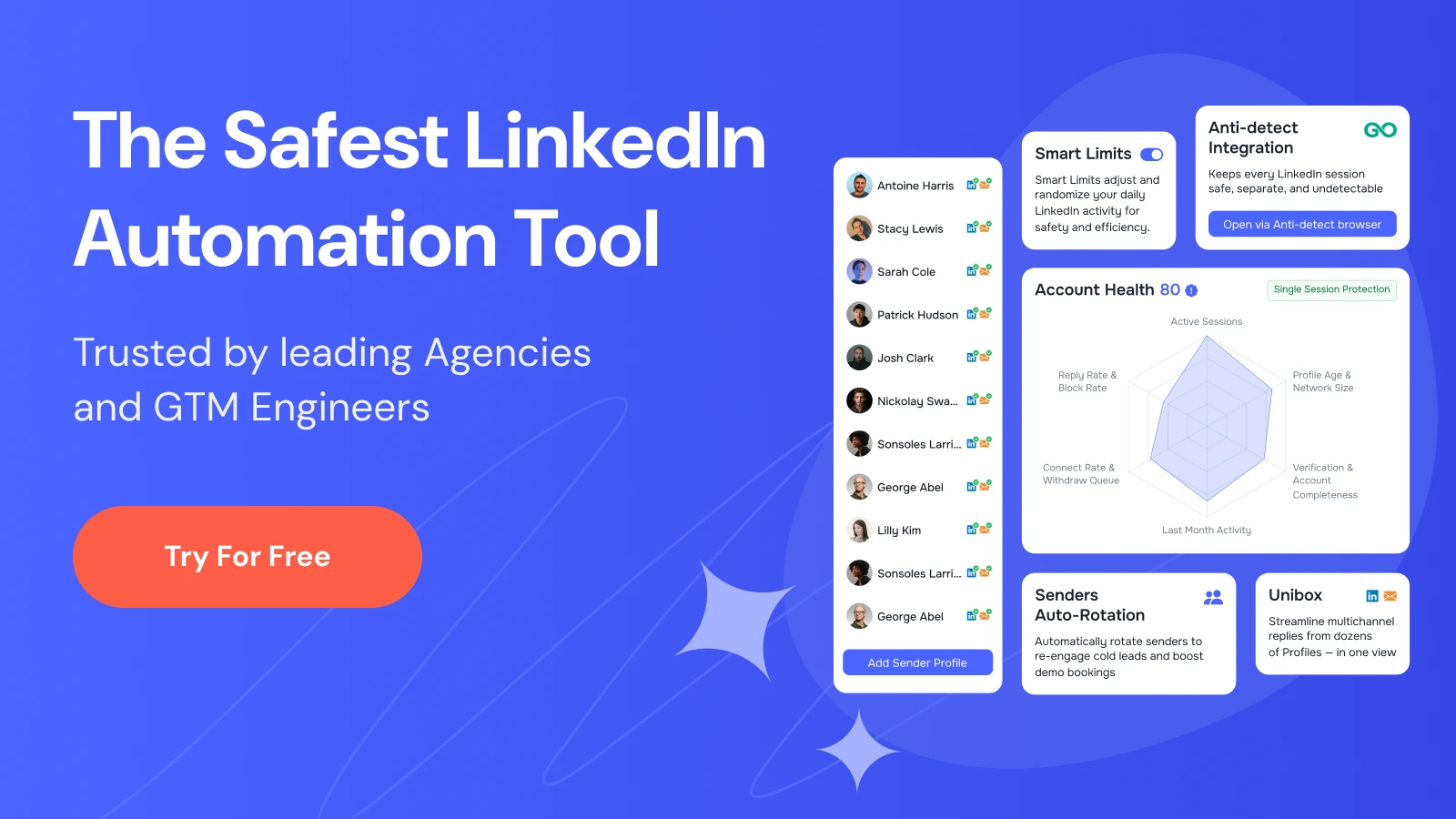
For B2B sales teams, combining CRM with safe LinkedIn outreach amplifies results exponentially. Explore how GetSales.io's single session protection ensures compliance while simplifying multichannel campaigns and keeping your accounts secure here. This powerful combination is not just convenient; it's a game-changer for lead generation.
📌 Note: Regular audits of your CRM usage can reveal underutilized features or areas where workflows could be optimized. Turn these into quick wins by assigning one team member to explore and share findings monthly, fostering a culture of continuous improvement.
Common Mistakes to Avoid
Small businesses often stumble when prioritizing features over usability, leading to low adoption, wasted investment, and a return to inefficient manual processes. Here are some common pitfalls to actively avoid:
- Falling for Feature Bloat: One common error is selecting a CRM based solely on an impressive list of features without thoroughly testing it against your specific workflows. This often results in a system that's powerful on paper but impractical and overwhelming in daily use. Remember, more features don't always mean better, especially for a small team.
- Skimping on Training and Onboarding: Even intuitive tools like Pipedrive require proper orientation to maximize value. Yet, 40% of small firms skip this crucial step, per a 2026 Deloitte survey on technology adoption. This leads to frustration, inconsistent data entry, and a lack of confidence among users. Invest time in training, even if it's just an hour-long session and a quick reference guide. You can find relevant insights on tech adoption challenges here.
- Over-Customizing Too Early: While customization is a powerful CRM feature, attempting to tailor every aspect of the system before your team has even mastered the basics can complicate things unnecessarily. It turns a simple interface into a maze, increasing the learning curve and making future updates more challenging. Start with out-of-the-box functionality and customize only as specific needs arise.
- Ignoring Integration Needs: Disconnected tools lead to manual data entry, duplicate efforts, and fragmented customer views, frustrating users and eroding efficiency. If your CRM doesn't seamlessly integrate with your email, calendar, or lead generation tools, you're creating more work, not less. This is where a unified platform like GetSales.io truly shines, by inherently blending CRM with outreach.
- Neglecting Mobile Optimization: In today's hybrid work environment, neglecting mobile optimization overlooks modern workstyles. Remote teams and field sales reps report 20% lower efficiency in non-mobile-friendly CRMs. If your team needs to update deals, check contact info, or log activities on the go, a robust and easy-to-use mobile app is non-negotiable.
- Failing to Define Clear Goals: Without clear objectives (e.g., "reduce sales cycle by 15%," "improve lead conversion by 10%"), it's impossible to measure the CRM's success or identify areas for improvement. A CRM is a tool to achieve business goals, not an end in itself.
To sidestep these, always align your choice with ease-of-use metrics from trusted sources like Capterra and G2, and prioritize your team's actual workflow over a vendor's feature list.
Expert Insights
Experts in the field consistently emphasize that true ease comes from alignment with user habits and a focus on core functionality. "In 2026, the most user-friendly CRMs are those that adapt to you, not the other way around," shares Mike Chen, VP of Sales at a leading tech firm, in a recent Harvard Business Review piece. He cites Pipedrive's visual pipelines as a game-changer for his small team, reducing deal tracking time by 50% because it mirrors how his reps naturally think about their sales process. You can find similar thought leadership on sales and technology here.
Real-world examples abound: A marketing agency switched to HubSpot and saw adoption skyrocket due to its intuitive design and comprehensive free resources, as detailed in a 2026 case study from their blog. Their team, previously resistant to CRM, embraced it because it felt less like a chore and more like a helpful assistant. Similarly, a recruitment firm using Zoho's Bigin reported seamless onboarding for non-technical staff, crediting its low-cost, high-simplicity model for empowering their recruiters to manage candidates efficiently without extensive training.
At GetSales.io, we've seen countless clients transform their outreach and lead management by integrating our powerful CRM tools. One founder noted, "It simplified our lead management without the usual headaches of switching tabs or manual data entry. We're now 10x more efficient in our outreach, and our team actually enjoys using it." This kind of feedback underscores our commitment to delivering the safest and most reliable solution for multichannel outreach, seamlessly integrated with CRM. For personalized advice on how to streamline your sales process, schedule a demo with our experts via this link.
💡 Tip: Seek out CRMs with active community forums, extensive knowledge bases, or AI chat support. These resources can resolve common issues in minutes, keeping your team moving forward without waiting for dedicated tech support.
FAQ
What makes a CRM truly easy to use for small businesses? Ease stems from quick, self-service setup, intuitive interfaces that minimize clicks, and minimal training needs, allowing teams to focus on sales rather than struggling with software. It's about getting value fast.
Which CRM has the lowest learning curve in 2026 for small businesses? HubSpot and Pipedrive consistently rank highest for their low learning curves, with users often reporting proficiency in under a day, based on aggregated G2 reviews and user feedback.
Is there a free CRM that's genuinely user-friendly and effective? Yes, HubSpot's free tier is highly accessible and robust enough for many startups and very small teams. Zoho's free plan also offers more customization for growing teams, though with a slightly steeper initial learning curve.
How does cost impact CRM ease of use for small businesses? Generally, lower-cost options like Zoho Bigin ($9/user) prioritize simplicity and core features. Pricier, enterprise-grade solutions like Salesforce may add complexity that requires more investment in training, but offer unmatched scalability for businesses with significant growth plans.
Can I integrate LinkedIn outreach with an easy-to-use CRM? Absolutely! Platforms like GetSales.io are specifically designed to blend intuitive CRM features with safe, automated LinkedIn and email outreach, offering a unified platform for effortless multichannel lead management and engagement.
What if my team resists adopting new CRM software? Resistance is common. Start with a pilot involving key team members, highlight quick wins (e.g., time saved on data entry), and actively solicit feedback. Emphasize how the CRM simplifies their work, rather than just adding another tool. Consistent, supportive training is also vital.
Ready to Simplify Your CRM and Outreach?
If you're ready to compare CRM ease of use and find a solution that not only scales with your small business but actively propels its growth, then it's time to discover how GetSales.io can elevate your strategy. Our cloud-based platform combines intuitive CRM features with powerful, automated LinkedIn and email outreach, ensuring unparalleled safety and efficiency. We are confident that our Single Session Protection makes us the safest and most reliable option you'll find for scaling your outreach.
Starting at just $59 per month, GetSales.io is meticulously designed for sales teams and agencies seeking seamless lead generation and management without the usual headaches of complex software. Stop fumbling with disconnected tools and start closing more deals. Visit GetSales.io today to learn more about how we can transform your sales process, or book a consultation here to discuss your specific needs. Don't let complex tools hold you back — unlock personalized, scalable sales automation now and experience the GetSales.io difference.