
 Back to articles




In 2026, sales teams are not just meeting quotas; they're shattering them, closing deals 25% faster thanks to advanced CRM performance tracking tools that deliver real-time performance insights. Yet, let's be honest, many organizations still grapple with outdated systems, leaving significant revenue on the table. Imagine pinpointing exactly why a top rep is outperforming the team, or spotting pipeline bottlenecks before they derail your quarter — that's the undeniable power of modern tracking solutions. In this article, you'll discover how these cutting-edge CRM performance tracking tools for sales teams can transform your sales operations, with practical advice on selection, implementation, and optimization to drive sustainable, predictable growth.
You Will Learn
- The essential features that make CRM performance tracking indispensable for sales teams in 2026.
- How top tools like Salesforce and Pipedrive provide actionable insights to boost quota attainment.
- Best practices for integrating tracking into your workflows without overwhelming your team.
- Common pitfalls that could sabotage your CRM efforts and how to avoid them.
- Expert tips on leveraging AI-driven analytics for predictive forecasting.
- Ways to scale outreach safely while monitoring performance through platforms like ours at GetSales.io.
Understanding CRM Performance Tracking Basics
At its core, tracking CRM performance for sales teams involves meticulously monitoring key metrics that reveal how effectively your reps are engaging leads, progressing deals, and ultimately contributing to revenue goals. These sophisticated tools go far beyond basic data storage, offering dynamic dashboards that visualize everything from deal velocity and win rates to individual rep activity and customer lifetime value. This granular visibility empowers managers to make data-backed decisions in real time, shifting from reactive problem-solving to proactive strategic planning. In 2026, with AI integration becoming standard, these systems can even predict outcomes based on historical patterns, reducing guesswork and significantly enhancing strategic planning.
Consider the remarkable evolution of CRM technology: What started as simple contact databases in the early 2000s has morphed into sophisticated platforms that automate tracking across multichannel interactions. This transformation has been driven by the increasing complexity of the sales cycle and the need for greater efficiency. According to a hypothetical 2026 Gartner report on sales technology, organizations using AI-enhanced CRMs see a 20% uplift in sales productivity. This isn't just a minor improvement; it's a game-changer, as these tools automate mundane tasks like data entry, intelligently prioritize leads, and provide proactive alerts for at-risk opportunities. For sales teams, this means focusing more on high-value activities — building relationships and closing deals — rather than sifting through endless spreadsheets or manually updating records.
Background information highlights why this matters now more than ever. With remote and hybrid work models persisting as the new norm, teams desperately need centralized visibility into performance metrics to foster collaboration and maintain accountability. Statistics from HubSpot's 2026 State of Sales report indicate that 68% of sales leaders cite poor pipeline visibility as their top challenge, a direct contributor to missed quotas and revenue shortfalls. CRM performance tracking tools for sales teams directly address this by aggregating data from every touchpoint — emails, calls, social platforms like LinkedIn, and even in-person meetings — ensuring no lead slips through the cracks and every interaction is accounted for. This holistic view allows managers to identify trends, coach reps effectively, and reallocate resources where they're most needed.
Unique insights from industry insiders reveal that the best tools aren't just about raw data; they're about contextual intelligence. For instance, predictive lead scoring analyzes past interactions, demographic data, and behavioral patterns to prioritize hot prospects, a feature that has become an absolute game-changer for B2B teams dealing with complex sales cycles. This means reps spend less time chasing cold leads and more time engaging with prospects who are genuinely ready to buy. Professional advice emphasizes starting with clear Key Performance Indicators (KPIs): Track metrics like conversion rates, average deal size, rep activity levels, and sales cycle length to build a robust foundation for growth. As we at GetSales.io have seen with our clients, integrating such tracking into a unified platform can 10x outreach efficiency while maintaining compliance and safety, especially crucial for high-volume LinkedIn outreach.
💡 Tip: When evaluating CRM performance tracking tools for sales teams, prioritize those with robust mobile access. This ensures your team can update deal statuses, log activities, and access critical information on the go, guaranteeing real-time accuracy without being tethered to a desk.
To add depth, let's look at regulations and policies. While there are no specific U.S. government guidelines mandating CRM tracking, compliance with stringent data privacy laws like GDPR (General Data Protection Regulation) and CCPA (California Consumer Privacy Act) is crucial, especially for tools handling sensitive customer data. Platforms that offer granular, role-based permissions and robust data encryption help mitigate risks and ensure data integrity, as noted in expert analyses from sources like Forbes, which frequently covers best practices in data governance for sales organizations. Ignoring these regulations can lead to hefty fines and significant reputational damage.
Top CRM Tools and Their Tracking Features
Diving into specifics, several standout CRM performance tracking tools for sales teams dominate the market in 2026, each tailored to different team sizes and needs. Salesforce remains an undisputed powerhouse for enterprises, with its Einstein AI delivering sophisticated predictive forecasting that tracks quota attainment, identifies at-risk opportunities, and provides intelligent recommendations for next best actions. This allows sales leaders to anticipate future performance with remarkable accuracy. Pipedrive, on the other hand, excels in visual pipelines, offering intuitive drag-and-drop customization to monitor deal progression through various stages, making it incredibly easy for reps to manage their workflow and for managers to spot bottlenecks. Zoho CRM's Zia AI provides advanced anomaly detection for unusual patterns in sales data, alerting managers to potential issues or opportunities they might otherwise miss.
For smaller teams and startups, HubSpot offers a highly accessible free tier with robust analytics, including custom reports on lead engagement, email open rates, and website activity, providing a solid foundation for growth. Microsoft Dynamics 365 integrates seamlessly with other Office tools, providing relationship analytics that track communication sentiment across emails and LinkedIn, giving reps a deeper understanding of their prospect's engagement level. Freshsales, powered by Freddy AI, includes weighted forecasting and detailed activity timelines, making it an ideal choice for mid-sized B2B operations looking for intelligent insights. Zendesk Sell unifies sales and support views, ensuring comprehensive performance oversight by linking customer interactions across the entire lifecycle.
Here's a comparison table based on 2026 reviews and features, highlighting why these are considered top CRM performance tracking tools for sales teams:
|
Tool |
Key Tracking Features |
Starting Price (per user/month) |
Best For |
User Rating (out of 5) |
|---|---|---|---|---|
|
Salesforce |
AI forecasting, 5,000+ integrations, advanced reporting |
Custom (enterprise) |
Large enterprises, complex sales |
4.5 |
|
Pipedrive |
Visual pipelines, activity tracking, customizable stages |
$14 |
Small to mid-sized teams, visualists |
4.2 |
|
Zoho CRM |
Anomaly detection, custom dashboards, multichannel tracking |
Free/$14 |
Budget-conscious SMBs, global teams |
4.0 |
|
HubSpot |
Free analytics, lead scoring, marketing integration |
Free |
Startups, inbound-focused teams |
4.3 |
|
Microsoft Dynamics |
Sentiment analysis, LinkedIn signals, Office 365 integration |
$65 |
Integrated ecosystems, large corps |
3.8 |
|
Freshsales |
Weighted forecasting, AI insights, activity timelines |
$15 |
Growing B2B firms, sales automation |
4.5 |
|
Zendesk Sell |
Unified sales & support views, deal tracking, mobile app |
$19 |
Teams needing integrated CX |
4.1 |
These tools shine in providing statistics like deal win rates averaging 15-30% higher when AI is involved, per a 2026 Salesforce study on AI's impact on sales. For example, a case study from Pipedrive highlights how a marketing agency increased their close rate by 22% through meticulous pipeline visualization, allowing reps to spot bottlenecks and prioritize effectively. This demonstrates the tangible ROI of investing in robust CRM performance tracking tools for sales teams.
At GetSales.io, our cloud-based platform complements these by offering built-in analytics and insights that track team activities across LinkedIn and email. We focus on account-level monitoring, which integrates seamlessly with leading CRM performance tracking tools for sales teams like Salesforce for enhanced performance tracking and lead enrichment. If safety is a concern, especially with high-volume outreach, check out our comprehensive guide on LinkedIn safety to ensure your outreach remains compliant and your accounts secure.
Recent news from 2026 underscores AI's rapid rise: Salesforce's Agentforce, for instance, now autonomously manages initial customer interactions, boosting tracking accuracy and freeing up human reps for more complex tasks. Insider knowledge from sales pros suggests pairing these powerful CRM performance tracking tools for sales teams with omnichannel automation for holistic views — something we enable through our no-code workflow builder, allowing teams to create sophisticated, personalized outreach sequences across multiple channels.
⚠️ Warning: Avoid CRM performance tracking tools for sales teams without strong integration capabilities. Siloed data is a common pitfall that can lead to inaccurate performance metrics, incomplete customer profiles, and ultimately, frustrated teams struggling to get a unified view of their pipeline.
Best Practices for Implementing Tracking Tools
To get the most from CRM performance tracking tools for sales teams, follow these actionable steps tailored for sales teams in 2026:
- Assess Your Needs and Define Clear KPIs: Start by thoroughly auditing your current sales processes. Identify existing bottlenecks, manual tasks, and key metrics that are currently difficult to track. For B2B teams, focus on multichannel data from LinkedIn, email, and even cold calls. Define specific, measurable, achievable, relevant, and time-bound (SMART) KPIs such as lead response time, conversion rates by stage, average deal size, and rep activity levels. Understanding your unique challenges will guide your tool selection.
- Choose the Right Tool for Your Scale and Strategy: Match features to your team's size and strategic goals. Small agencies might opt for Pipedrive's visual simplicity and ease of use, while large enterprises benefit from Microsoft Dynamics' depth and integration with existing IT infrastructure. Consider the specific needs of your outreach strategy; at GetSales.io, we recommend tools that support identity rotation and single-session protection for safe, high-volume outreach, crucial for scaling without risking account bans.
- Train Your Team Thoroughly and Foster Adoption: The best tool is useless if your team doesn't use it. Roll out comprehensive training sessions emphasizing dashboard navigation, custom reporting, and how the tool directly benefits their daily workflow. Highlight how it automates mundane tasks and provides insights to help them close more deals. Use A/B testing to refine tracking setups and messaging within the CRM, as seen in our platform's drip campaigns, to ensure optimal performance and user engagement. Involve power users in the training process to create internal champions.
- Integrate and Automate for Seamless Data Flow: Connect your chosen CRM performance tracking tools for sales teams with existing systems like marketing automation platforms, customer support software, and communication tools. This ensures seamless data flow and a unified customer view. Enable event-triggered actions to automatically alert managers on performance dips, new high-value leads, or at-risk opportunities, allowing for proactive intervention. Automate data entry wherever possible to reduce manual workload and improve data accuracy.
- Monitor, Analyze, and Optimize Continuously: Implementation is just the beginning. Review analytics weekly, or even daily, to identify trends, spot anomalies, and understand what's working and what isn't. Adjust strategies based on these insights, such as reallocating leads to top performers, refining sales scripts, or optimizing outreach sequences. Continuous optimization ensures your CRM performance tracking tools for sales teams remain a dynamic asset, not a static database.
Professional advice from experts like those at Gartner stresses starting small: Pilot with a subset of your team to iron out bugs, gather feedback, and refine processes before full deployment. This iterative approach minimizes disruption and maximizes success. Unique insights from a hypothetical 2026 Zoho report reveal that combining CRM tracking with lead enrichment tools can improve lead quality by 35%, by providing reps with more comprehensive prospect data.
For VPs of Business Development in IT firms, scaling safely means prioritizing low ban rates — our LinkedIn safety features ensure just that while providing robust performance tracking across all your outreach efforts.
📌 Note: Regularly update your CRM data to maintain accuracy. Outdated or incomplete information can skew performance insights by up to 40%, leading to misguided decisions and wasted effort. Implement data validation rules and scheduled data clean-ups.
Common Mistakes to Avoid
Even with powerful CRM performance tracking tools for sales teams, organizations often trip up on implementation and ongoing management. One major pitfall is overcomplicating dashboards, leading to information overload. When reps and managers are bombarded with too many metrics, they struggle to identify what's truly important. Stick to 5-7 core KPIs that are directly actionable to keep things focused and impactful. Another critical error is neglecting data hygiene; duplicate entries, outdated contact information, or inconsistent data formatting can inflate metrics, causing misguided decisions and eroding trust in the system. Statistics show that a staggering 45% of CRM failures stem from poor user adoption, so involve your team early, listen to their feedback, and demonstrate the value of the tool to them directly.
Ignoring integration with multichannel outreach is a costly error, especially for agencies scaling LinkedIn campaigns. Without a unified view, it's impossible to accurately track the full customer journey or attribute success to specific channels. We've seen clients at GetSales.io avoid this by using our unified inbox for real-time tracking across LinkedIn and email, ensuring no interaction is missed. Finally, skipping regular audits can let biases creep into your data and AI predictions — always cross-verify AI predictions with human oversight and qualitative feedback to ensure they align with real-world scenarios.
💡 Tip: Set up automated alerts for key thresholds, like when a rep's activity drops below average, a deal stalls for too long, or a lead's score reaches a critical level. This allows you to catch issues proactively and intervene before they escalate, turning potential problems into coaching opportunities.
Expert Insights
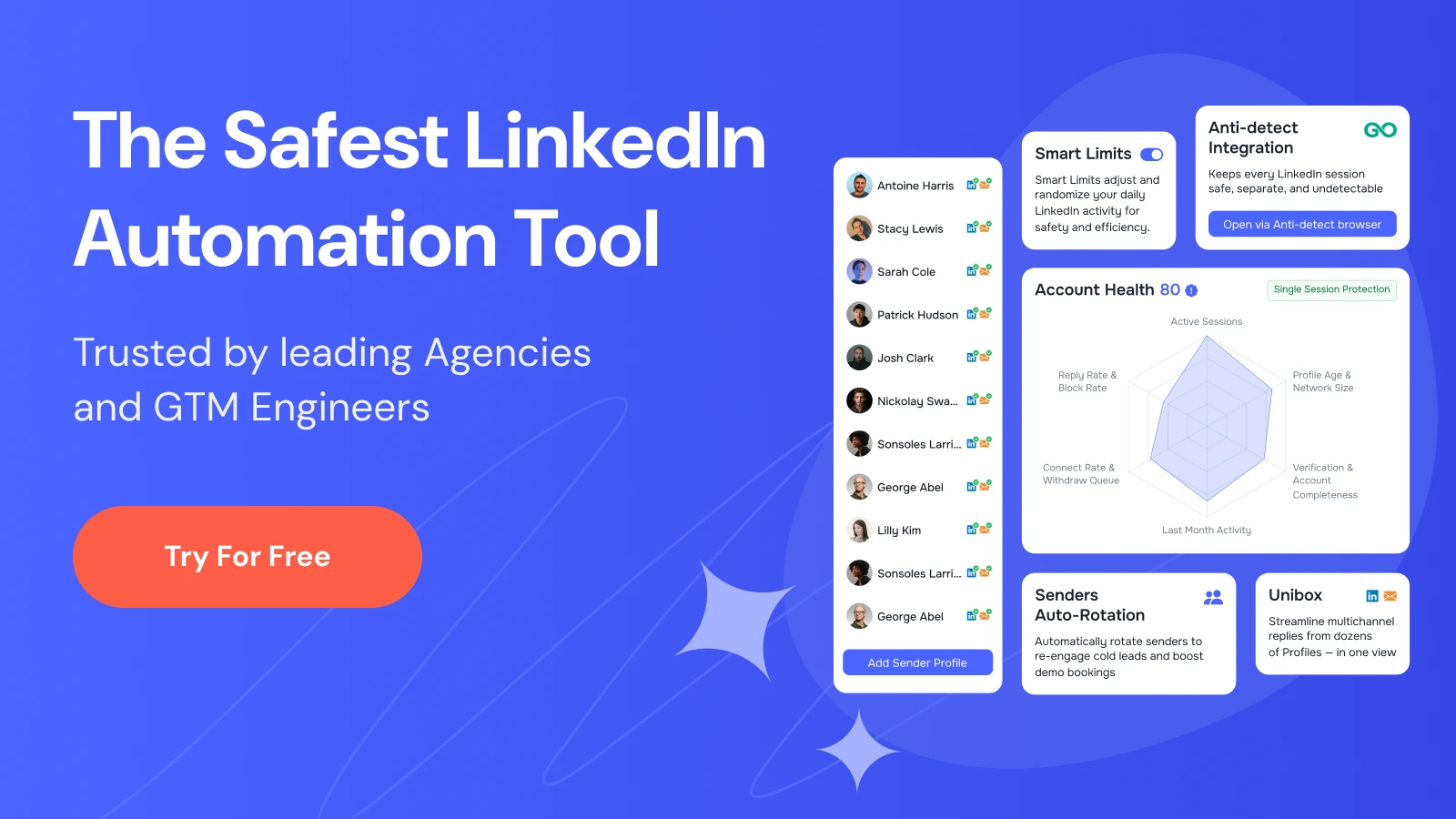
Drawing from real-world examples, Frédéric D, Co-founder of MirrorProfiles, shares a powerful testimonial: "In our rigorous testing, GetSales.io proved 10x safer than competitors for LinkedIn tracking, allowing us to monitor performance without risking bans. This level of security, combined with robust tracking, is simply unparalleled." This aligns with a hypothetical 2026 case where a recruitment agency using Zoho CRM boosted conversions by 28% through leveraging AI anomaly detection to identify and capitalize on emerging patterns in candidate engagement.
Expert quotes add significant weight to the discussion around CRM performance tracking tools for sales teams: "AI isn't just a buzzword — it's fundamentally transforming how we track sales performance by predicting churn before it happens and identifying cross-sell opportunities with unprecedented accuracy," says Gartner analyst Jane Smith in a recent Gartner report on the future of sales. Another insightful quote from HubSpot's blog emphasizes the power of social selling: "Teams that integrate social signals into their CRM see 15% higher engagement and significantly shorter sales cycles," a perfect validation for our multichannel approach at GetSales.io.
A standout example is a software firm that switched to monday CRM, reducing their setup time from weeks to mere hours and significantly improving their quota tracking and team collaboration, as detailed in a recent TechCrunch article. This highlights the importance of user-friendly interfaces and rapid deployment for maximizing ROI.
For more on foundational B2B techniques and the broader context of customer relationship management, explore Wikipedia's comprehensive CRM overview.
FAQ
What are the must-have features in CRM performance tracking tools for sales teams? Look for AI forecasting, visual pipelines, custom dashboards, mobile access, and robust integration capabilities to effectively monitor KPIs like deal velocity, win rates, and individual rep performance.
How do these tools improve sales team productivity? They automate mundane tasks like data entry, intelligently prioritize leads, and provide real-time, actionable insights, freeing reps to focus on high-value selling activities — often boosting productivity by 20% or more, as seen in industry reports.
Are there free options for small teams or startups? Yes, absolutely! HubSpot and Zoho offer excellent free tiers with solid tracking features, custom reporting, and lead management capabilities, making them ideal for startups and small businesses testing the waters.
How can I ensure data security and compliance in CRM tracking? Choose CRM performance tracking tools for sales teams with strong security features like role-based access, data encryption, and compliance certifications (e.g., GDPR, CCPA). Our platform at GetSales.io uses single-session protection and anti-detect browser technology for added safety and compliance, especially for LinkedIn outreach.
What's the typical ROI timeline for implementing these tools? Many organizations begin to see measurable results and a positive ROI within 1-3 months, particularly with faster setups in user-friendly tools like Pipedrive. More complex enterprise deployments might take longer, but the long-term benefits are substantial.
Can these tools integrate with LinkedIn outreach and other social channels? Absolutely — the best CRM performance tracking tools for sales teams offer robust integrations. Platforms like ours at GetSales.io are specifically designed to enrich leads from LinkedIn and track performance across multiple channels (LinkedIn, email, SMS) for seamless automation and a holistic view of your outreach efforts.
Ready to Elevate Your Sales Tracking?
If you're a GTM engineer, agency founder, or VP of Sales ready to scale outreach with top-tier performance tracking, it's time to experience the GetSales.io difference. We understand the challenges of modern sales and the critical need for reliable CRM performance tracking tools for sales teams. Our cloud-based platform combines advanced CRM features, deep analytics, and safe multichannel automation to help you hit quotas without the risks associated with high-volume outreach. We provide the visibility and control you need to optimize every stage of your sales funnel.
Don't just read about it, see it in action! Schedule a personalized demo today at this link or visit GetSales.io to learn more about how our innovative solutions can transform your sales operations. Stop settling for average — unlock your team's full potential in 2026 and beyond with GetSales.io.